
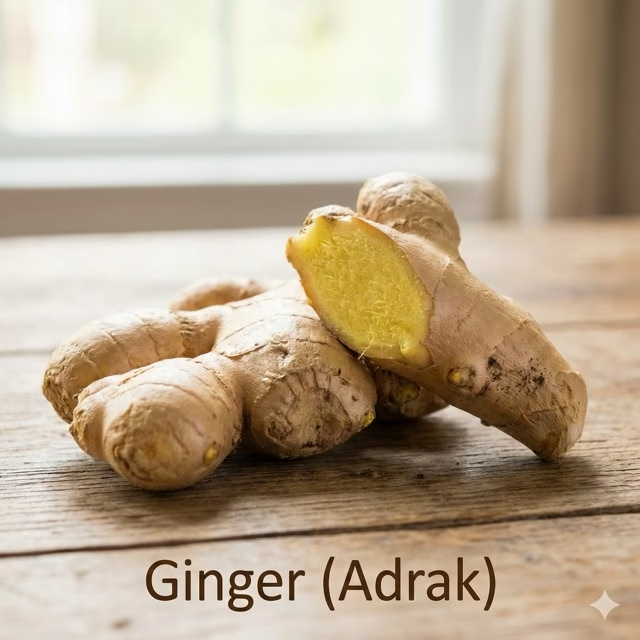
Adrak (Ginger)
Scientific Name: Zingiber officinale
Common Names:
🇬🇧 English: Ginger
🇮🇳 Hindi: Adrak (अद्रक)
🇪🇸 Spanish: Jengibre
Transparency Note: Yogic.blog is reader-supported. This post contains affiliate links. As an Amazon Associate, I earn from qualifying purchases. We may also earn commissions from other partners if you buy through our links, at no extra cost to you. Thanks for supporting our work @ Yogic.blog
Description
Ayurveda calls Ginger Vishwabheshaja, which means “The Universal Medicine.” It is the first line of defense in every Indian kitchen because it directly strokes Agni (Digestive Fire).
The primary Ginger benefits stem from its active compound, “Gingerol.” According to Healthline, this substance is a powerful anti-inflammatory and antioxidant, making Ginger effective for everything from nausea to chronic joint pain.
Benefits
Top 3 Ginger Benefits for Health
Ginger is unique because it is spicy (pungent) but has a sweet post-digestive effect. Here is why it heals:
1. Instant Digestive Relief
Ginger speeds up the emptying of the stomach. If you suffer from indigestion, bloating, or gas after a heavy meal, Ginger is the fastest natural remedy to get things moving.
2. Relieves Menstrual & Joint Pain
Studies have shown that Ginger is as effective as ibuprofen for relieving menstrual pain. Its anti-inflammatory nature also makes it excellent for reducing the stiffness of arthritis.
3. Fights Colds & Congestion
Ginger is “heating” (Ushna). Drinking warm ginger tea induces sweating, which helps break a fever and clear mucus from the chest during a cold or flu.
* Not all benefits are listed here. you can look up for more benefits using our AI Yogic Coach
How to Use
How to Use Ginger Daily
- The “Appetizer” Slice: 15 minutes before lunch, chew a small slice of fresh ginger dipped in rock salt. This ignites your digestive fire and prepares your stomach to digest food perfectly.
- Ginger Tea (For Cold): Boil 1 inch of crushed ginger in water for 5 minutes. Add honey only after it acts cool (never cook honey). Drink warm.
- Dry Ginger (Shunthi): For long-term use, dry ginger powder is better than fresh because it is less drying. Mix 1/2 tsp with warm water for joint pain.
⚠️ Safety Note
Ginger is heating. If you have hyperacidity, ulcers, or bleeding disorders, use it in moderation or consult an Ayurvedic doctor.
Frequently Asked Questions
Q: Is fresh ginger better than dry ginger?
A: Fresh ginger (Adrak) is better for colds and constipation. Dry ginger (Shunthi) is better for long-term digestion and IBS issues.
Q: Can I drink ginger tea at night?
A: It is best to avoid strong ginger tea right before bed as the energy boost might keep you awake. The best time is morning or before meals.
Scientific References:
1. Clinical trials on effects of Ginger (NCBI)
* For other uses and recipes, ask our AI Yogic Coach (bottom right) or visit other sources.