
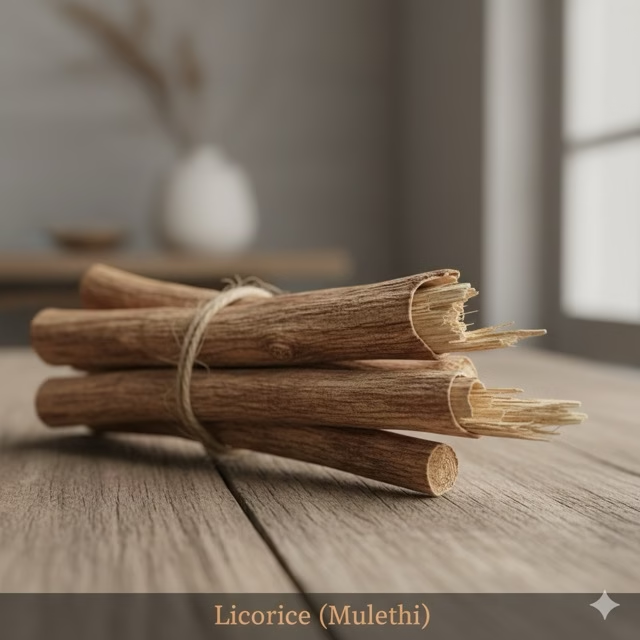
Mulethi
Scientific Name: Glycyrrhiza glabra
Common Names:
🇬🇧 English: Licorice
🇮🇳 Hindi: Mulethi (मुलेठी)
🇪🇸 Spanish: Regaliz
Transparency Note: Yogic.blog is reader-supported. This post contains affiliate links. As an Amazon Associate, I earn from qualifying purchases. We may also earn commissions from other partners if you buy through our links, at no extra cost to you. Thanks for supporting our work @ Yogic.blog
Description
Mulethi is a powerhouse herb. Here are the top 5 proven Mulethi benefits that make it an essential part of the Ayurvedic medicine cabinet:
1. Respiratory Relief (Cough & Cold)
This is the most famous use of Mulethi. It acts as a powerful expectorant, helping to loosen phlegm in the lungs. Its anti-inflammatory properties soothe sore throats and clear blocked chest passages almost instantly.
2. Heals Acidity & Stomach Ulcers
If you suffer from heartburn, Mulethi is your best friend. It works by increasing the mucous production in the stomach, which coats the lining and protects it from acid attack. It is often prescribed for healing peptic ulcers.
3. Skin Brightening & Pigmentation
Did you know Mulethi is a natural skin brightener? It blocks the enzyme that causes dark spots and hyper-pigmentation. Using a face pack of Mulethi powder and rose water can fade dark circles and tan lines.
4. Boosts Immunity
The enzymes in Licorice root trigger the body’s defense mechanisms. Regular consumption helps protect the body from viral infections and bacteria.
5. Supports Liver Health
Ayurveda considers Mulethi a liver tonic. It helps protect the liver from toxicity and fights inflammation associated with liver diseases like hepatitis.
Benefits
• Respiratory: Liquefies phlegm and soothes sore throats.
• Gut: Heals acidity and stomach ulcers.
• Skin: Brightens complexion and fades dark spots.
* Not all benefits are listed here. you can look up for more benefits using our AI Yogic Coach
Ayurvedic Properties (Dravya Guna)
- Rasa (Taste): Madhura (Sweet)
- Guna (Quality): Guru (Heavy), Snigdha (Oily)
- Virya (Potency): Sheeta (Cooling)
- Vipaka (Post-Digestive Effect): Madhura (Sweet)
- Dosha Karma: Pacifies Vata and Pitta doshas.
How to Use Mulethi for Fast Relief
- For Dry Cough & Sore Throat: Keep a small stick of raw Mulethi in your mouth and chew it slowly. The juice coats the throat and stops the urge to cough immediately.
- Mulethi Tea (For Immunity): Boil 1 inch of Mulethi root and a few Tulsi leaves in water. Drink this warm to clear chest congestion.
- For Acidity & Ulcers: Mix 1/2 tsp of Mulethi powder with a little honey or warm water. Take this before meals to protect the stomach lining.
⚠️ Safety Note
Mulethi contains glycyrrhizin, which can raise blood pressure if taken in excess. People with hypertension (high BP) should use it in moderation or consult a doctor.
Frequently Asked Questions
Q: What are the main Mulethi benefits for daily health?
A: The top Mulethi benefits include treating coughs and colds, healing stomach ulcers, reducing acidity, and boosting skin radiance.
Q: Can I take Mulethi every day?
A: Yes, in small amounts (1/2 tsp). However, because it contains glycyrrhizin, you should take a break after 4 weeks of daily use to prevent high blood pressure.
Q: Is Mulethi good for skin whitening?
A: Yes! It blocks the enzyme tyrosinase, which causes dark spots. Using a Mulethi face pack is a natural way to reduce pigmentation and sun tan.
Scientific References:
1. Therapeutic potential of Glycyrrhiza glabra (NCBI)
2. Licorice Uses & Side Effects (WebMD)
Conclusion
Whether you are fighting a stubborn cough or dealing with chronic acidity, the ancient Mulethi benefits offer a gentle, natural cure. Unlike harsh chemical medicines, this “Sweet Root” heals by soothing and coating your system.
Start small—chew on a stick or drink the tea—and let this powerful Ayurvedic herb restore your balance.
Ready to fix your digestion completely? Take our Free Body Type Quiz to get started.
* For other uses and recipes, ask our AI Yogic Coach (bottom right) or visit other sources.