
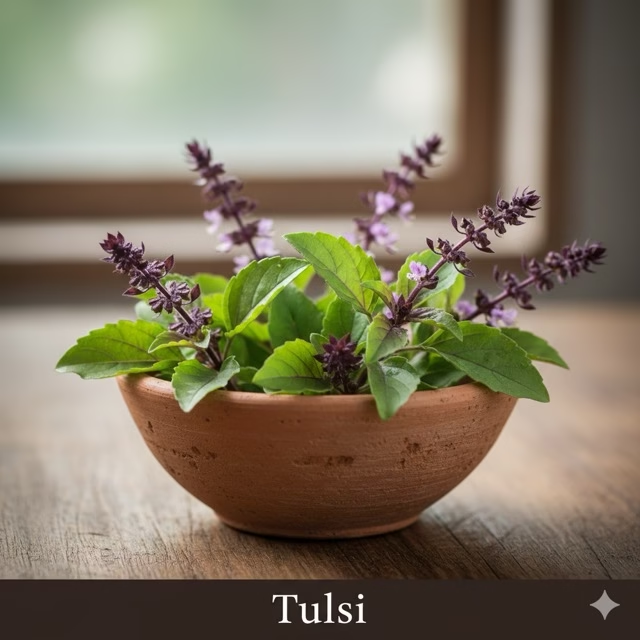
Tulsi (Holy Basil)
Ocimum tenuiflorum
🇬🇧 English: Holy Basil
🇮🇳 Hindi: Tulsi (तुलसी)
🇪🇸 Spanish: Albahaca Sagrada / Tulsi
Transparency Note: Yogic.blog is reader-supported. This post contains affiliate links. As an Amazon Associate, I earn from qualifying purchases. We may also earn commissions from other partners if you buy through our links, at no extra cost to you. Thanks for supporting our work @ Yogic.blog
Description
Worshipped in every Indian courtyard, Tulsi benefits go far beyond spirituality. Known as “Holy Basil,” it is an unmatched “Adaptogen”—meaning it helps the body adapt to physical and emotional stress.
It is best known for its respiratory benefits. When paired with Mulethi (Licorice) or Ginger, it becomes a powerful shield against colds, coughs, and flu. According to WebMD, it is also effective for lowering blood sugar.
Benefits
Top 3 Tulsi Benefits for Health
Tulsi is considered the “Incomparable One” in Ayurveda. Here is why:
1. Relieves Stress (Nature’s Anti-Depressant)
Tulsi lowers cortisol levels and regulates blood pressure. Chewing fresh leaves or drinking Tulsi tea calms the nerves, clears the mind, and uplifts the mood.
2. Respiratory Rescue (Cough & Cold)
Tulsi is rich in camphene, eugenol, and cineole, which help clear congestion in the chest. It is the standard Ayurvedic remedy for asthma, bronchitis, and seasonal flu.
3. Boosts Immunity & Detox
It is a powerful detoxifier. Regular consumption helps purify the blood and protects the body from viral infections and environmental toxins.
* Not all benefits are listed here. you can look up for more benefits using our AI Yogic Coach
How to Use
How to Use Tulsi Daily
- Tulsi Tea (The Classic): Boil 5-7 fresh leaves with a pinch of black pepper and ginger. Add honey once it cools. Drink warm to kill a cold instantly.
- The Morning Ritual: Swallow 3-4 fresh leaves with water on an empty stomach to boost immunity.
- Stress Buster: Keep a few dried leaves in your water bottle and sip throughout the day for calmness.
⚠️ Safety Note
Old folklore and some modern dentists suggest avoiding excessive chewing of Tulsi leaves because the high mercury content can potentially harm tooth enamel. Swallowing or brewing tea is safer for teeth.
Frequently Asked Questions
Q: Can I drink Tulsi tea with milk?
A: It is traditionally taken with water (herbal tea). Adding milk is okay, but it may reduce the potency for treating colds/congestion.
Q: Is Tulsi safe during pregnancy?
A: Tulsi can slightly stimulate uterine contractions. It is best to avoid medicinal doses (like extracts) during pregnancy, though a light tea is often considered safe. Consult your doctor.
Scientific References:
1. Tulsi – The Queen of Herbs (NCBI)
* For other uses and recipes, ask our AI Yogic Coach (bottom right) or visit other sources.